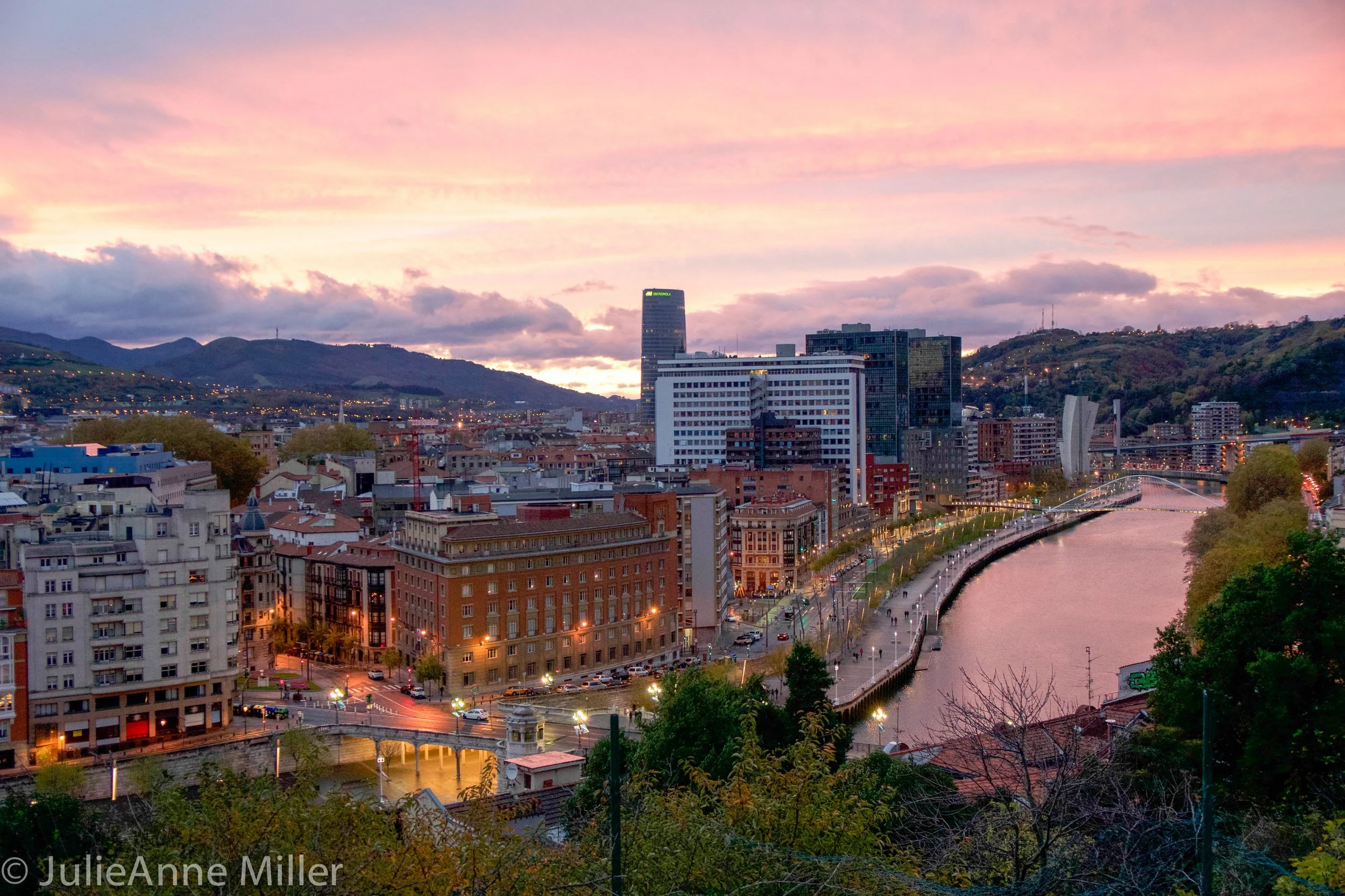
Spain
Traveling through Basque country and then Andalucía changed how I see modern Spain. Its regional identities, political tensions, religious traditions, and its barely contained passions all make more sense in the broader context of a land that has been contested, rebuilt, renamed, and reimagined for two thousand years. The traditions, food, and language of the Basque region in Spain are vastly different from the amalgamation of cultures that shaped Andalusia. Although contained within temporal geopolitical borders, the various regions of Spain feel like different worlds.
5 Though-Provoking Weeks in Andalusia (Southern Spain)
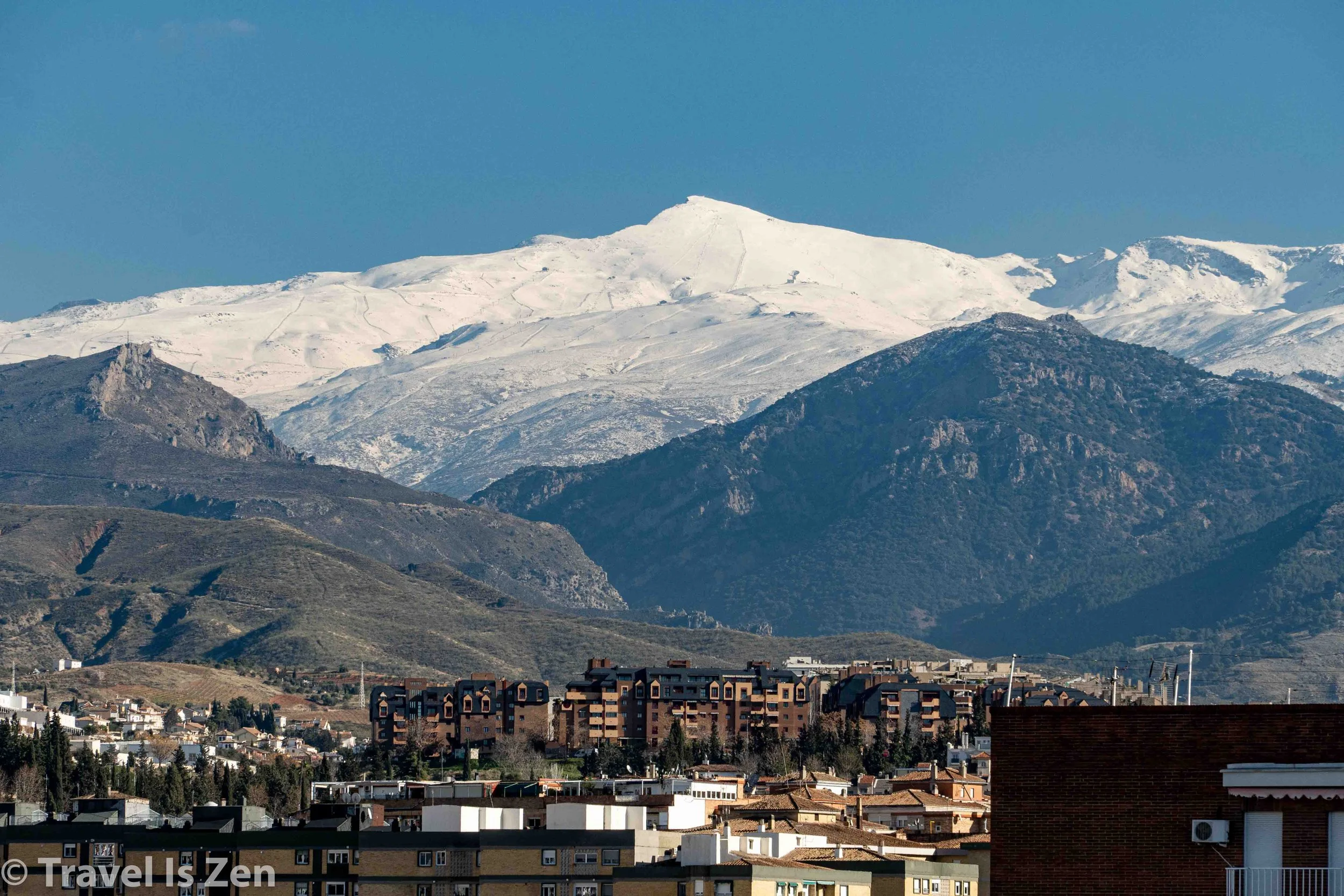
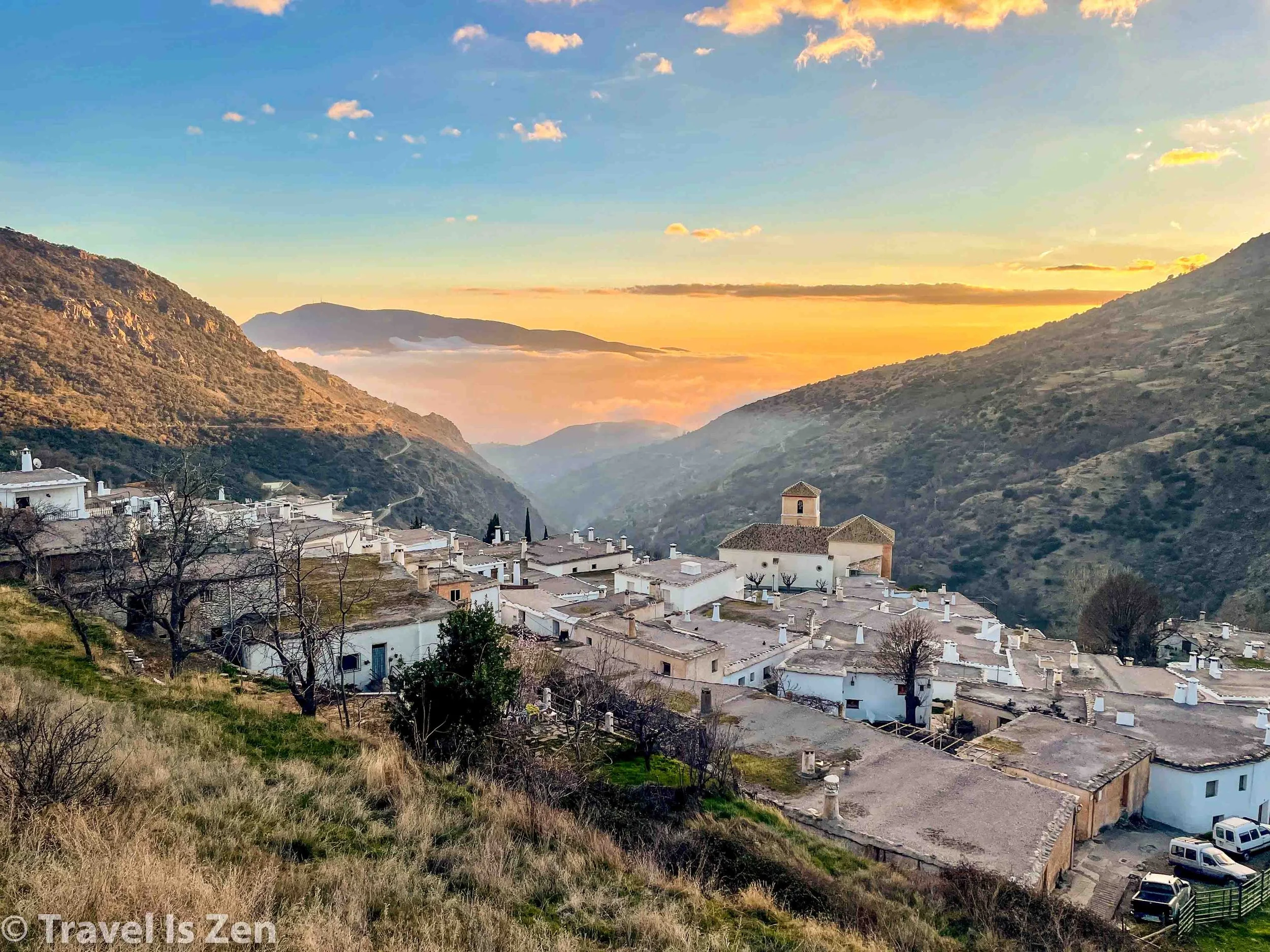
Andalucía unapologetically exhibits its history. Roman roads, Islamic symmetry, Gothic cathedrals wedged into former mosques, medieval fortresses and Inquisition chambers — layer upon layer accumulating over time; not replacing, but morphing into a visible timeline open for inspection and scrutiny. In Andalucía, the past is not buried; it is still unfolding.
The region’s observable clash of cultures and ideologies begs an ongoing conversation about the tensions that exist between empire and faith, conquest and coexistence, orthodoxy and nationalism, power and inequality. Horrific stories of bloodshed unfold like a tragic poem in places of exceptional beauty. “Come. Enjoy our hospitality and beauty. Witness humanity at its best - and worst,” whispers Andalucia.
Basque Region (Northern Spain)
Northern Spain feels entirely different from Andalusia: less layered by conquest and a clash of cultures than Andalusia, but equally rich in continuity, tradition, and place. In the Basque region, identity runs deep, anchored in a language that predates Indo-European roots. Green mountains roll toward the Atlantic. Fishing villages climb the rugged coastlines. And the vibe in Rioja Valley is as mellow as its Tempranillo. Across the cities of Basque country, pinxtos are timed to the setting sun, dinner starts at 10:00 pm and morning coffee doesn’t exist.